FAQs
1) What’s the fastest workflow to confirm the correct replacement motor?
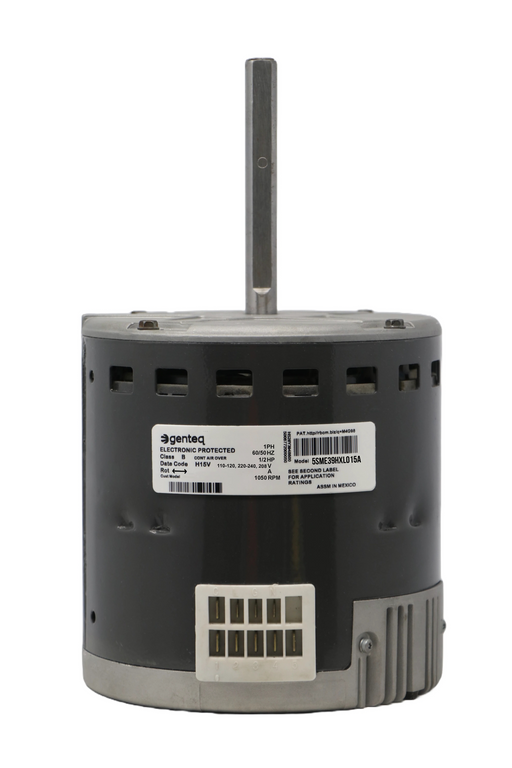
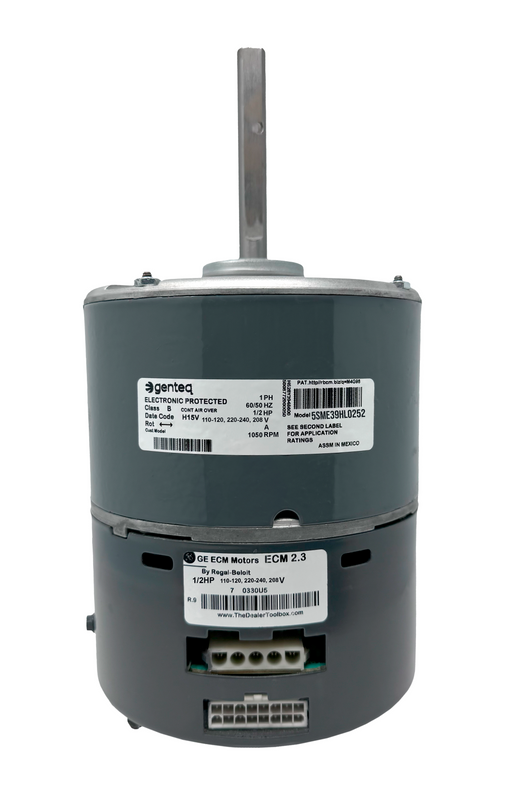
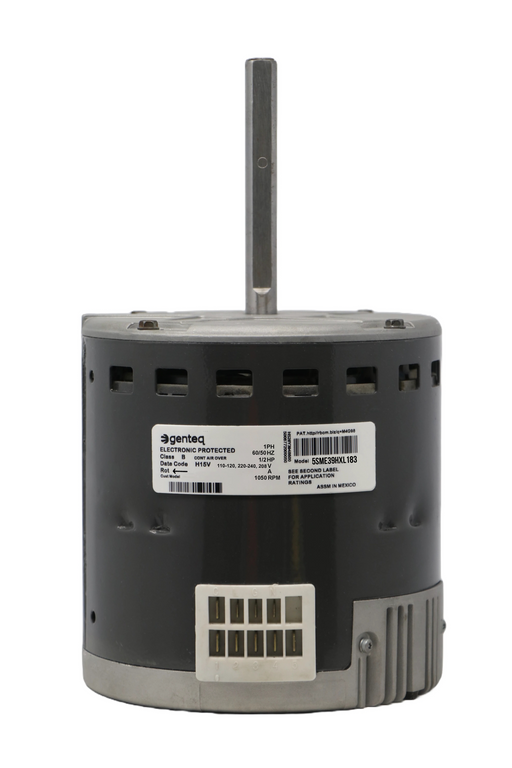
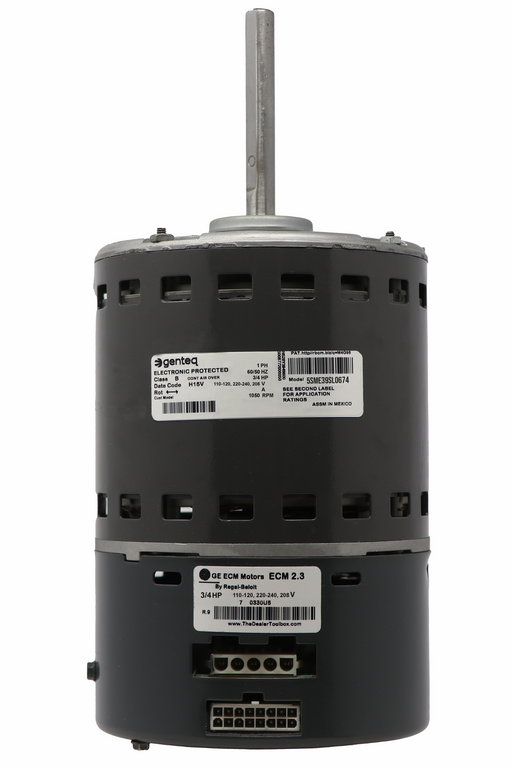
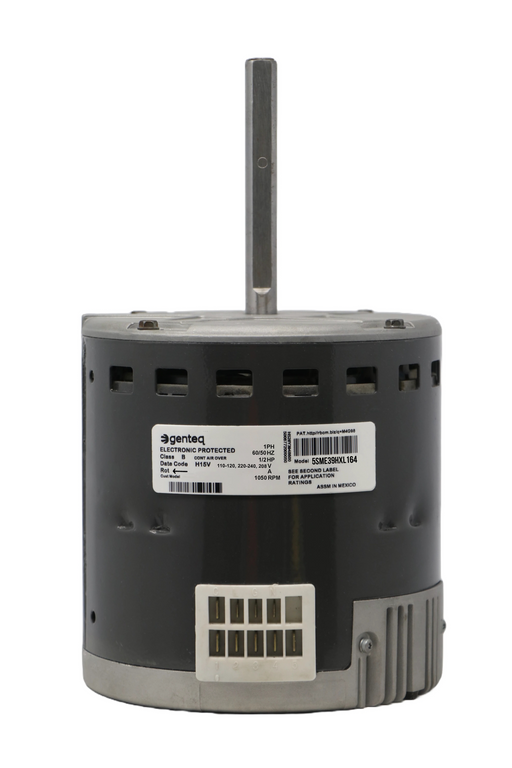
Start with motor label match (model number first), then cross-check with equipment model/serial as needed. If the label is damaged, use Serial Lookup and photos. This approach is faster and more reliable than trying to infer motor type from brand alone.
2) If the blower is not running, what should be verified before condemning the motor?
Confirm stable inputs and safety conditions first: voltage where applicable, demand/control signals, interlocks, and connection integrity. Missing or unstable inputs often indicate control board, wiring, or harness issues rather than motor failure. Verifying inputs reduces unnecessary part swaps.
3) If the motor runs but speed/airflow is wrong, what’s the most common root cause?
Configuration, wiring/tap selection, and control mismatch are common causes—especially on constant-torque style installs. Troubleshoot the motor family before returning or replacing to prevent repeat callbacks.
4) What causes intermittent operation after install?
Harness pin fitment, connector seating, and wiring damage are common intermittent culprits. Intermittent complaints often resolve with connector reseating/inspection and verifying stable signals rather than replacing the motor again.
5) Do you provide manuals and troubleshooting by motor family?
Yes. Use the Manuals hub and the Troubleshooting hub. They’re designed to standardize field work and reduce callbacks across different motor families.
6) How should a tech document information for support or warranty?
Record system model/serial, motor model, symptoms, and what inputs were verified (voltage/call signals). Photos of the motor label and connectors accelerate support and avoid repeating the same diagnostic steps.
7) When should a tech suspect a system issue rather than a motor issue?
When inputs are missing/unstable, multiple components show related symptoms, or airflow problems persist despite motor operation. In those cases, confirm restrictions (filter/coil/duct), board outputs, and wiring integrity before attributing the issue to the motor.