

Updated July 2026 · Reviewed by the United HVAC Motors technical team
Short answer: usually yes for equipment replacement, usually no for component repair
- Replacing the furnace, air handler or condenser → permit required in most U.S. jurisdictions
- Modifying ductwork, gas piping, venting or electrical → permit required
- Changing fuel type or system capacity → permit required
- Replacing a blower motor, capacitor, igniter, flame sensor or control board → generally not required — these are repairs to existing equipment, not replacements of it
- Filters, thermostats, cleaning → no
Rules are local. Confirm with your building department, since jurisdictions differ meaningfully. This is general information, not legal advice.
The Line That Matters: Repair vs. Replacement
Most permit confusion comes from treating "HVAC work" as one category. Building departments generally do not.
Replacing equipment — swapping the furnace or air handler itself — changes the appliance connected to your gas, electrical and venting systems. That is what triggers a permit and inspection.
Repairing equipment — fitting a new blower motor, capacitor, igniter, inducer or control board into the existing cabinet — is maintenance of an appliance already permitted and inspected. Most jurisdictions do not require a permit for that, and most contractors do not pull one.
Practically: if your blower motor failed and you are having it replaced, you are almost certainly not in permit territory. If your furnace failed and you are replacing the furnace, you are. See our furnace replacement guide for that decision.
The exception worth knowing: if a component repair requires new circuits, gas line changes, or venting modifications, the electrical or mechanical work can trigger a permit even though the appliance is staying. Converting a system from PSC to ECM, for instance, can cross that line if it involves electrical changes.
What a Permit Costs and Who Pulls It
Permit fees for residential HVAC replacement typically run from under a hundred dollars to a few hundred, depending on jurisdiction and project scope. Against a $5,000 replacement, it is a small line item — which is why a contractor "saving" you the permit is not saving you much.
The licensed contractor normally pulls the permit, and in many jurisdictions only a licensed contractor can. That matters, because it means a contractor who suggests skipping the permit may be avoiding scrutiny of the work rather than saving you a fee.
Treat "we can skip the permit" as a red flag. The permit is cheap. What it buys is an independent inspection of the venting, gas connections and clearances — the parts of the job you cannot evaluate yourself and where mistakes are dangerous rather than merely expensive.

Are you an HVAC company?
Save big with our B2B program: trade pricing on 30,000+ remanufactured Genteq motors, same-day processing and a 2-year warranty.
What the Inspector Actually Checks
Knowing this helps you understand what you are getting for the fee. An HVAC inspection typically covers:
- Venting — correct material, size, slope, and termination clearances from windows, doors and property lines
- Combustion air — adequate supply for the appliance in that space
- Gas connections — piping, sizing, sediment trap, shutoff valve
- Electrical — disconnect, correct breaker sizing, bonding
- Clearances — required distances to combustibles
- Condensate — proper drainage and termination on condensing equipment
Notice what is generally not on that list: airflow performance. An inspector confirms the installation is safe and code-compliant, not that it was commissioned properly. Passing inspection does not mean the static pressure was measured or the blower speed set correctly — you have to ask for those separately. See what you are paying the installer for.

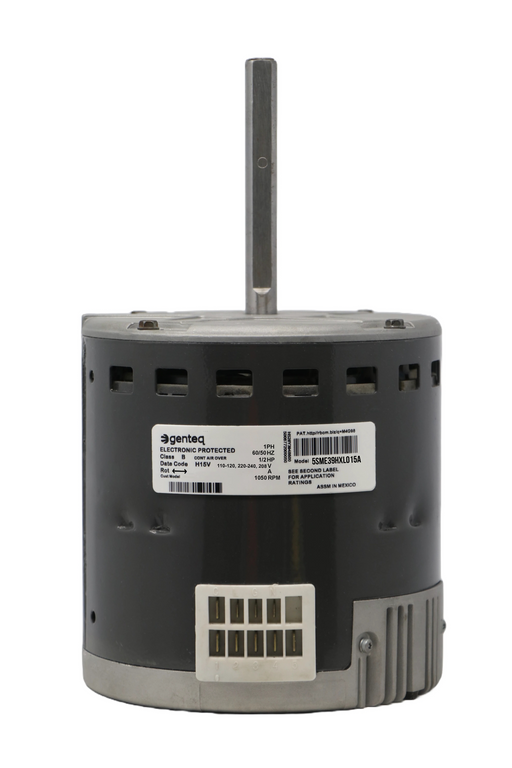
5SME39HXL015A GE Genteq Blower Motor ECM X13 1/2 HP
Remanufactured Motor by United HVAC Motors 2 Year Replacement Warranty (Terms Apply) Plug n Play - 100% Programmed Match your Motor Model N...
View full details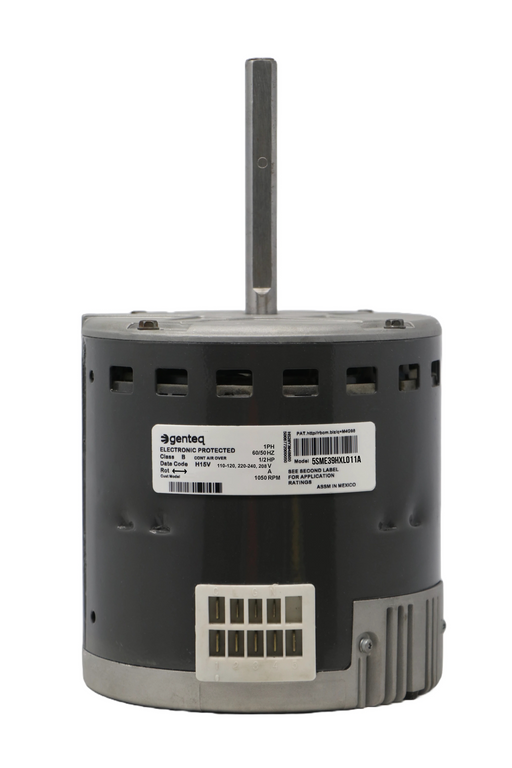
5SME39HXL011A GE Genteq Blower Motor ECM X13 1/2 HP
Remanufactured Motor by United HVAC Motors 2 Year Replacement Warranty (Terms Apply) Plug n Play - 100% Programmed Match your Motor Model N...
View full detailsWhat Happens If You Skip It
- Sale of the home. This is where it usually surfaces. Unpermitted mechanical work discovered during a sale can force retroactive permitting, re-inspection, or corrective work at the worst possible moment — sometimes years later, with the original contractor long gone.
- Insurance. Insurers may scrutinize a claim tied to unpermitted work. Coverage outcomes vary by policy and situation, so treat this as a real risk rather than a certainty either way.
- Manufacturer warranty. Many warranties require professional installation to code. Unpermitted work can complicate a claim.
- Fines and correction orders. Jurisdictions can require the work to be exposed for inspection or redone.
- Safety. The reason the requirement exists. Venting and combustion errors are not visible to a homeowner and are the failures that cause carbon monoxide incidents.
The Process, Briefly
- Contractor applies with equipment specifications and scope. In most jurisdictions the license holder must do this.
- Permit issued, usually quickly for straightforward residential replacement.
- Work performed.
- Inspection scheduled — sometimes a rough inspection before things are closed up, then a final.
- Permit closed out. Confirm this step. An open permit that was never finalled is its own problem at resale, and it happens more often than you would expect.
Ask for a copy of the closed permit along with your invoice and warranty registration. Keep them together.
FAQs
Do you need a permit for HVAC replacement?
In most U.S. jurisdictions, yes, when replacing the furnace, air handler or condenser, or when modifying ductwork, gas piping, venting or electrical. Rules are local, so confirm with your building department.
Do I need a permit to replace a blower motor?
Generally no. Replacing a blower motor, capacitor, igniter or control board is a repair to existing equipment rather than a replacement of it, and most jurisdictions do not require a permit. The exception is if the work involves new electrical circuits or gas or venting changes.
How much does an HVAC permit cost?
Typically from under a hundred dollars to a few hundred, depending on jurisdiction and scope. Against a several-thousand-dollar replacement it is a minor line item.
Who pulls the permit, me or the contractor?
Normally the licensed contractor, and in many jurisdictions only a licensed contractor can. A contractor suggesting you skip it may be avoiding inspection rather than saving you money.
What happens if HVAC work was done without a permit?
It most often surfaces during a home sale, where it can force retroactive permitting, re-inspection or corrective work. It can also complicate insurance claims and manufacturer warranty coverage.
Does passing inspection mean my system was installed well?
Not necessarily. Inspection confirms the installation is safe and code-compliant. It does not generally verify airflow, static pressure, or blower speed settings, which determine whether the system actually performs.
Next Steps
If you are replacing a component rather than the equipment, you are most likely not in permit territory — confirm locally, then compare an OEM quote against a programmed remanufactured motor with a 2-year warranty. USA-based technical support in English and Spanish.
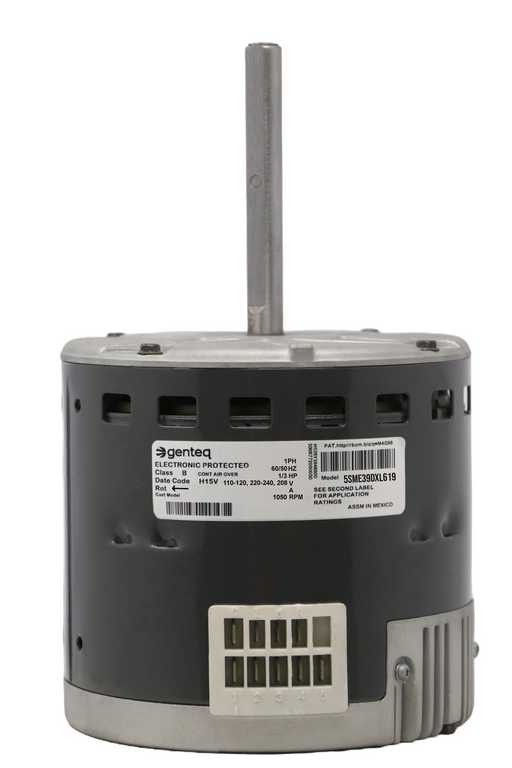
5SME39DXL619 GE Genteq Blower Motor ECM X13 1/3 HP
Remanufactured Motor by United HVAC Motors 2 Year Replacement Warranty (Terms Apply) Plug n Play - 100% Programmed Match your Motor Model N...
View full details
5SME39SXL224 GE Genteq Blower Motor ECM X13 1 HP
Remanufactured Motor by United HVAC Motors 2 Year Replacement Warranty (Terms Apply) Plug n Play - 100% Programmed Match your Motor Model N...
View full details